
Short Answer
If you hear scratching in your attic at night, it’s rarely “just noise.”
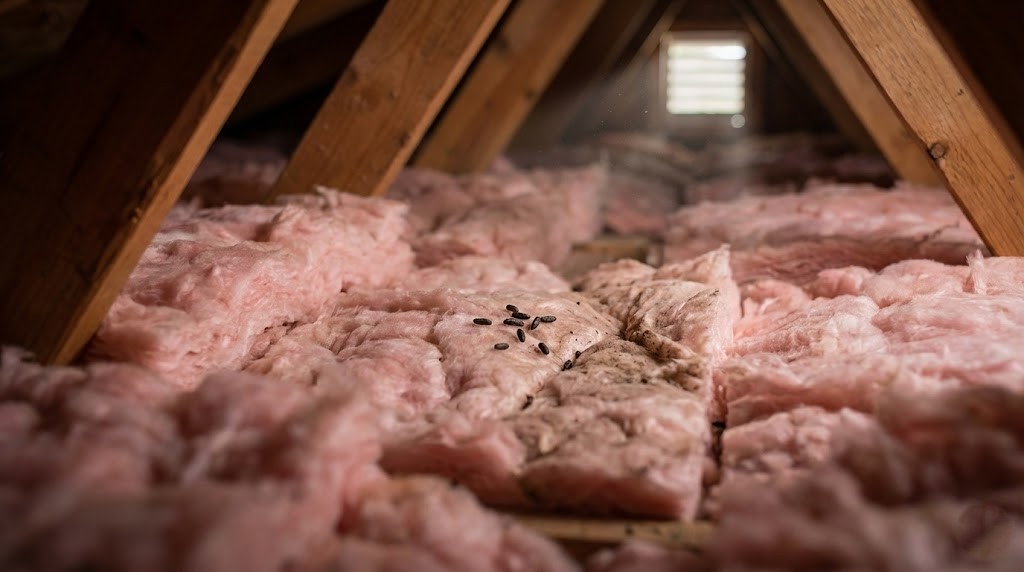
If you hear scratching or movement in your attic at night, it’s most often caused by rodents entering through roofline gaps, vents, or soffits in North Texas homes.
Common signs include nighttime scratching, droppings near insulation, chewed materials, and musty odors. Rodents can contaminate insulation and air pathways. Rodents can reproduce rapidly, with some species producing multiple litters per year. A professional inspection is the most reliable way to confirm rodent presence and prevent the problem from escalating.
Why Attic Rodent Activity Is Common in North Texas
Rodent activity in attics is one of the most common pest issues in North Texas, especially during seasonal transitions.
As temperatures shift, rodents begin searching for warm, protected spaces — and attics provide ideal nesting conditions due to insulation, limited disturbance, and easy access through roofline gaps.
Homes in areas like Terrell and Greenville often experience attic rodent activity due to common construction features such as roofline gaps, soffit openings, and garage door seal failures. Rapid suburban development and mild winters in North Texas allow rodent populations to remain active and quickly move into attic spaces when temperatures shift.
Key Takeaways
- Scratching at night is one of the clearest signs of rodent activity
- Most infestations begin through small roofline or vent gaps
- Rodents can contaminate insulation and damage wiring
- Early detection helps prevent larger infestations
- A professional inspection is the most reliable way to confirm activity
Quick Attic Checklist
If you suspect rodent activity, start with these quick checks:
- Listen for movement or scratching sounds after dark
- Check for droppings near insulation or attic entry points
- Look for chewed wood, wires, or stored materials
- Identify musty or unusual odors in the attic
- Inspect roofline areas for possible entry points
How to Confirm Rodent Activity in the Attic
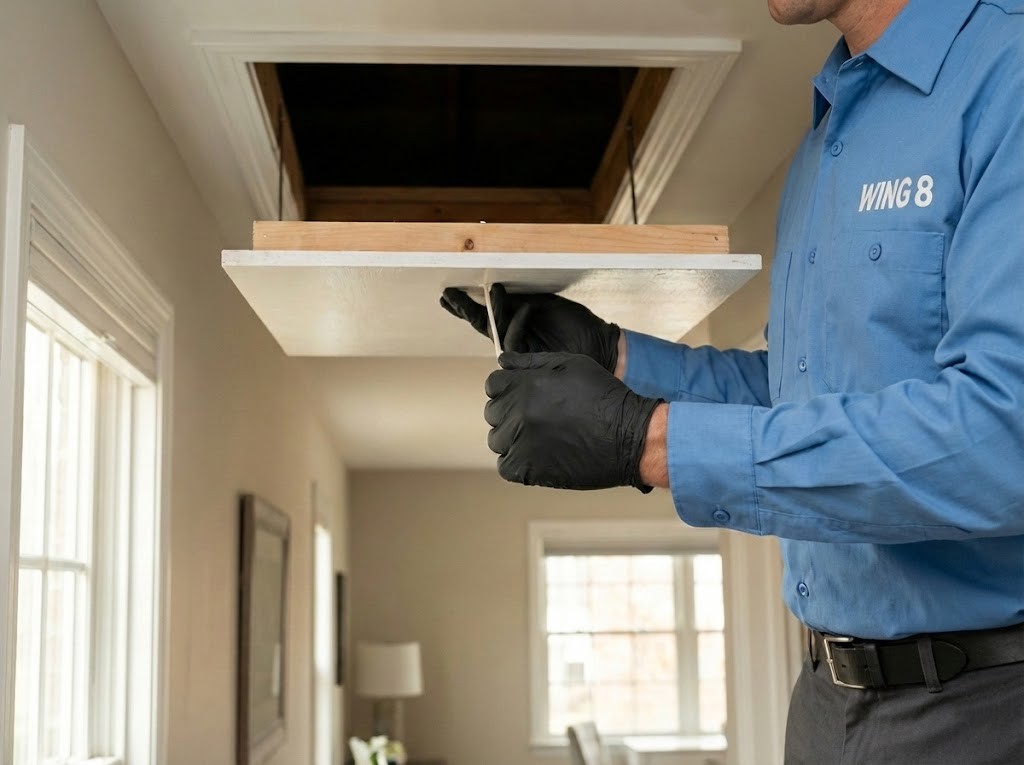
Hearing noise alone is not enough to confirm rodent activity. Identifying multiple signs helps determine whether rodents are present and how active the infestation may be.
1. Sound Patterns
- Scratching or scurrying sounds at night
- Movement across ceiling areas
- Intermittent activity rather than constant noise
Rodents are nocturnal, so activity typically increases after dark.
2. Droppings
- Small, dark pellet-shaped droppings
- Often found near insulation or entry points
- Fresh droppings indicate active infestation
Dropping size can help distinguish between mice and rats. Mouse droppings are smaller and pointed, while rat droppings are larger with blunt ends. Identifying the type of rodent helps determine the appropriate treatment approach.
3. Rub Marks and Grease Trails
Rodents leave oily residue along surfaces they travel repeatedly. These are commonly found along beams, near entry holes, and along insulation pathways.
4. Nesting Materials
- Shredded insulation
- Paper, cardboard, or fabric
- Hidden nesting clusters in corners
Signs of Rodent Activity and What They Mean
| Sign | What It Means | Urgency Level |
|---|---|---|
| Night scratching | Active movement in attic | High |
| Droppings | Ongoing infestation | High |
| Chewed wiring | Structural and fire risk | High |
| Musty odor | Nesting present | Moderate |
| Rub marks | Frequent travel paths | Moderate |
Health Risks of Rodent Activity in Attics
Rodents are more than just a nuisance. Their presence in attic spaces can create serious health and sanitation concerns for homeowners.
According to the Centers for Disease Control and Prevention, rodent activity can pose health risks due to contamination and exposure within the home.
- Droppings and urine contamination
- Airborne particles when insulation is disturbed
- Bacteria and virus exposure
- Contaminated air circulating through the home
Because attic insulation connects to airflow within the home, contamination can spread beyond the attic if not properly addressed.
In situations like this, professional rodent control can help identify contamination areas and prevent further exposure. Learn more about rodent control services.
What Not To Do
- Do not ignore scratching or movement in the attic
- Do not use poison without identifying entry points
- Do not disturb droppings without proper protection
- Do not assume the problem will resolve on its own
- Do not seal entry points without confirming all rodents are removed
Many DIY approaches reduce visible activity temporarily but do not address the root cause of the infestation.
What Actually Works
Inspection
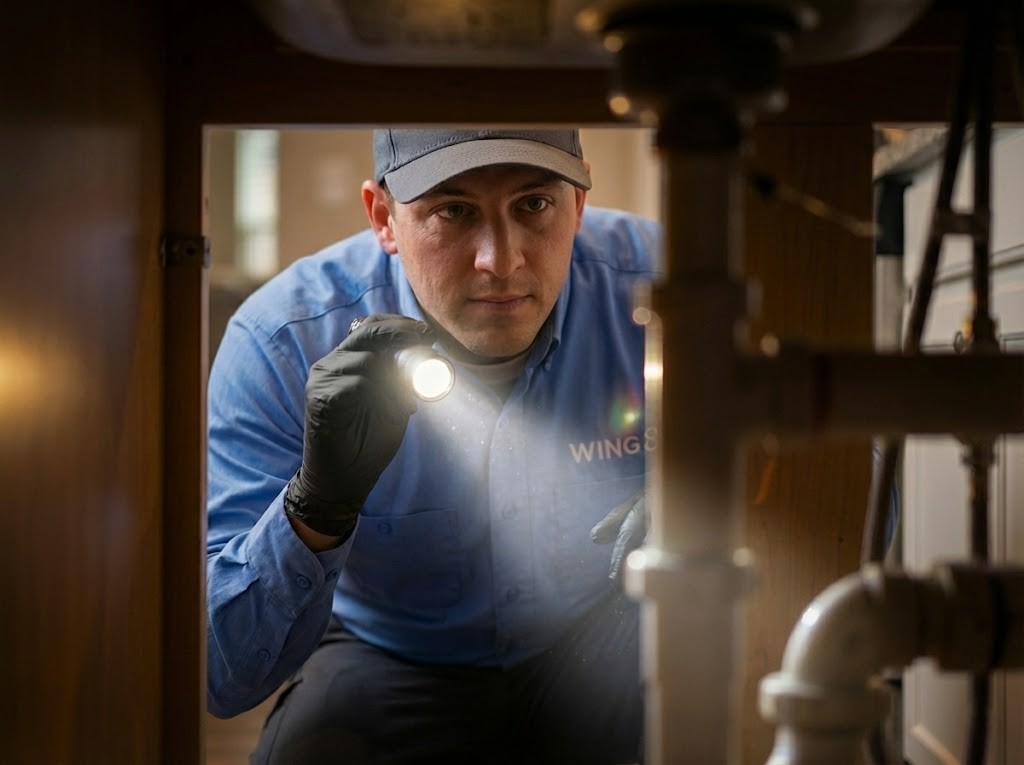
A professional inspection includes identifying all potential entry points, mapping rodent activity throughout the attic and structure, and evaluating insulation contamination. Technicians also develop an exclusion strategy to seal access points and create a follow-up plan to ensure the problem is fully resolved.
Treatment
Targeted rodent control methods are used based on the severity and location of the infestation.
Prevention
Sealing entry points, addressing roofline gaps, and correcting environmental conditions help prevent rodents from returning.
Monitoring
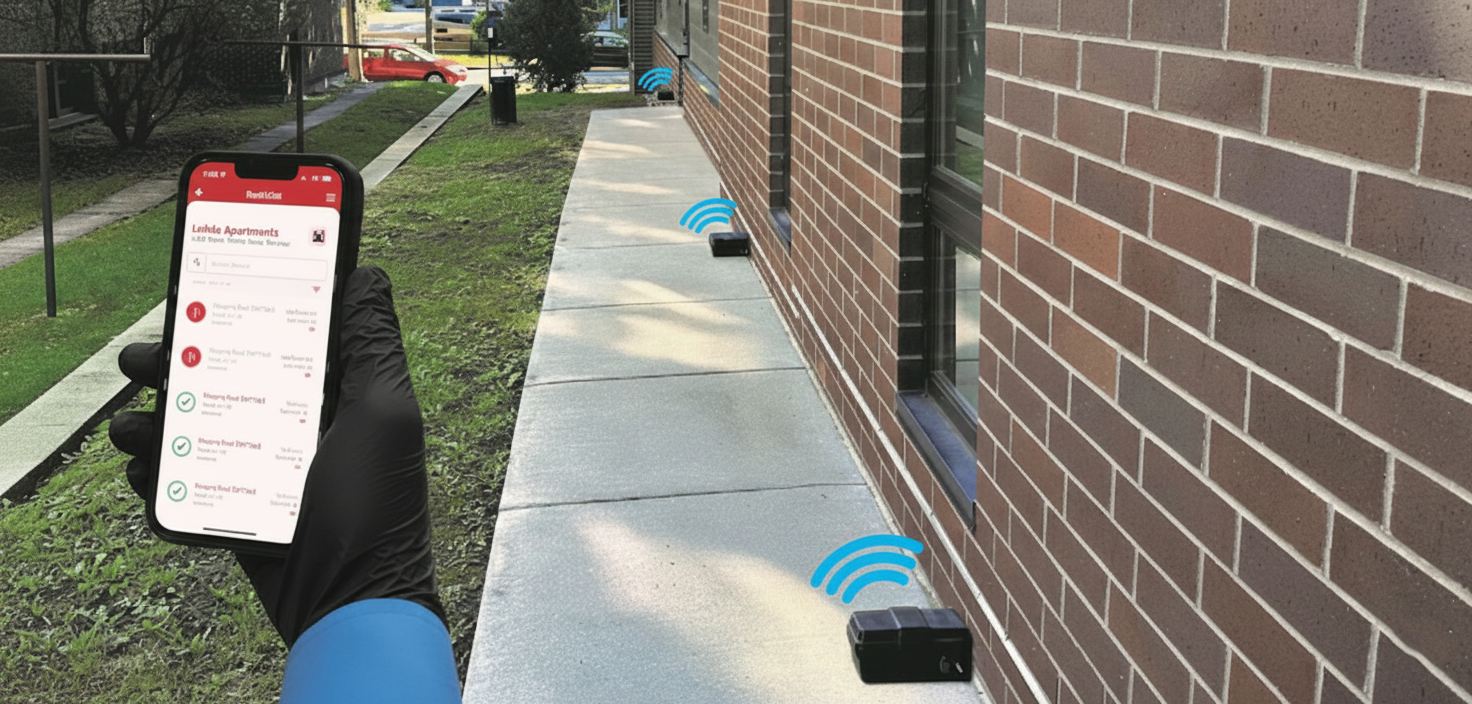
Ongoing monitoring helps detect rodent activity early and prevent re-infestation. At WING 8 Pest Services, we use advanced smart monitoring systems, including Bluetooth-enabled devices, to track activity in real time and identify problem areas more accurately.
WING 8 Field Notes from North Texas
- Most attic rodent issues in Forney start at roofline gaps and soffit openings
- We frequently find activity before homeowners notice visible signs
- Insulation contamination is one of the most common findings during inspections
- Rodent activity often increases quickly after temperature changes
- Early inspection significantly reduces long-term damage and cost
Frequently Asked Questions
What Does Scratching In The Attic Usually Mean?
It typically indicates rodent activity, especially if it occurs at night.
Are Rodents Dangerous In Attics?
Yes, they can contaminate insulation, damage wiring, and spread bacteria.
How Fast Do Rodents Reproduce?
Rodents reproduce quickly, which allows infestations to grow rapidly if not addressed.
Can Rodents Leave On Their Own?
Rarely. Once inside, they tend to stay and expand nesting areas.
How Do Rodents Get Into Attics In North Texas?
Rodents typically enter through small gaps along rooflines, soffits, vents, and utility penetrations. Even openings as small as a quarter can allow entry.
When Should I Call A Professional For Attic Noises?
If scratching, droppings, or odors are present — or if activity continues for more than a few nights — a professional inspection is recommended to confirm the source and prevent further damage.
What is rodent exclusion?
Rodent exclusion involves sealing entry points and preventing rodents from re-entering the home after removal.
Do rodents stay active during the day?
Rodents are primarily nocturnal, but activity during the day can indicate a larger or more established infestation.
Schedule a Rodent Inspection
If you’re hearing scratching or movement in your attic, it’s rarely something that resolves on its own.
Early inspection helps identify entry points, confirm activity, and prevent the problem from spreading further into your home.
You can view our customer reviews and service details on our Google Business Profile.
Schedule your rodent inspection with WING 8 Pest Services today.