

7 Early Spring Pest Warning Signs in North Texas
(Before Infestations Start)

Short Answer
Spring pest activity in North Texas begins earlier than most homeowners expect – often before “spring” officially starts. As soil temperatures rise above approximately 55°F and moisture increases, pests like termites, ants, rodents, and wasps become active.
Early warning signs include attic noises, mud tubes, ant activity, and new outdoor nests or mounds. Identifying these signs early allows for targeted treatment and prevention before infestations spread, become more costly, or cause structural or sanitation issues. A professional inspection during this early phase is the most effective way to confirm activity and prevent escalation.
What Are Early Spring Pest Warning Signs?
Early spring pest warning signs are the first observable indicators that pest populations are becoming active due to rising soil temperatures, moisture levels, and environmental changes. In North Texas, these signs typically appear before visible infestations and often originate around the exterior structure, attic, or foundation. These are considered primary indicators of seasonal pest activation in residential environments.
Types of Early Spring Pest Activity in North Texas
Early spring pest activity in North Texas generally falls into three categories:
Structural Pests: Termites and ants affecting the home structure
Nuisance Pests: Spiders, occasional invaders, and wasps
Sanitation Pests: Rodents and pests that contaminate living spaces
Understanding which category, a pest falls into helps determine the appropriate response and level of urgency.
Scope of This Guide
This guide focuses on early spring pest activity affecting single-family homes and similar residential structures in North Texas. Pest patterns may vary depending on construction type, surrounding environment, and property conditions.
Key Takeaways for North Texas Homeowners
-
Pest activity often begins before spring officially starts
-
Soil temperatures above approximately 55°F trigger movement
-
Most early signs occur outside or in attic spaces
-
Ignoring early signs allows infestations to spread faster
-
Early inspection is more effective and less costly than reactive treatment
Quick Spring Pest Inspection Checklist
-
Check attic for nighttime scratching or movement
-
Inspect foundation for mud tubes or soil buildup
-
Look for ant activity near baseboards and entry points
-
Scan yard for new fire ant mounds
-
Check soffits and eaves for wasp activity
| Trigger | Impact on Pest Activity |
|---|---|
| Soil Temperature Above ~55°F | Activates termites and ants |
| Increased Rainfall | Expands fire ant colonies |
| Mild Winter Conditions | Allows pest survival and early movement |
| Irrigation Systems | Maintains moisture near foundation |
How Early Spring Conditions Lead to Pest Activity
In North Texas, early spring pest activity follows a predictable pattern:
-
Rising soil temperatures activate underground colonies
-
Increased moisture supports movement and expansion
-
Pests begin searching for food and entry points
-
Initial activity appears outside or in attic spaces
-
Without intervention, activity progresses into living areas
This progression explains why early signs often appear subtle before developing into larger infestations.
Typical Early Spring Pest Timeline in North Texas
-
Late February: Initial rodent and ant activity increases
-
Early March: Fire ant mounds begin forming
-
Mid to Late March: Termite swarm season begins
-
April: Peak early-season pest pressure develops
Most Common Early Spring Pest Issues in North Texas
• Rodent activity in attic spaces
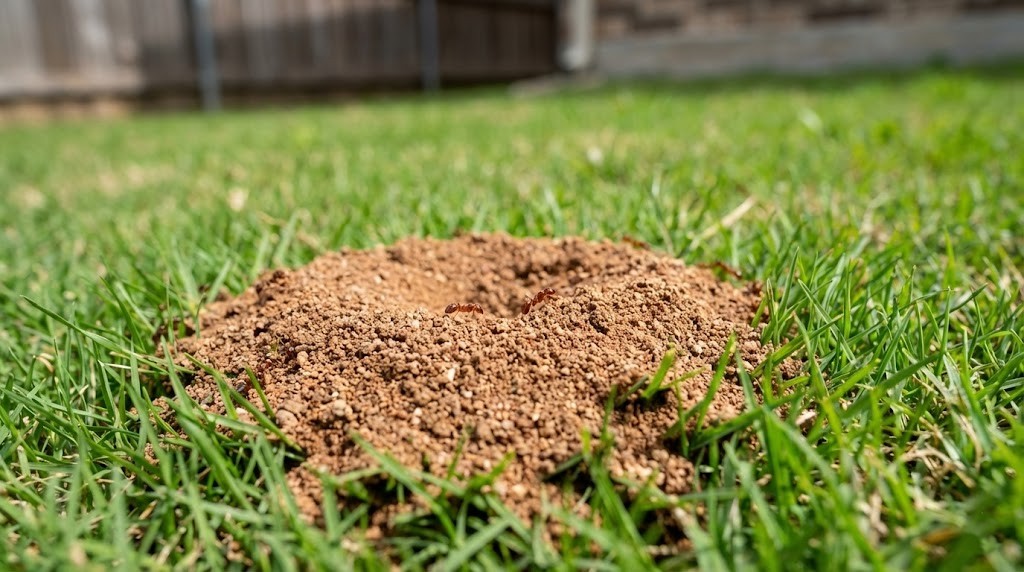
• Fire ant colony expansion in lawns
• Subterranean termite movement along foundations
• Ant foraging inside kitchens and bathrooms
• Wasp scouting around eaves and rooflines
These early warning signs often overlap across pest categories, particularly termites, ants, and rodents.
Why Pest Activity Begins Early in North Texas
North Texas presents environmental conditions that accelerate early pest activity compared to colder regions. In areas such as Forney, Rockwall, Terrell, Greenville, and Kaufman, clay-heavy soils retain moisture and heat, creating ideal conditions for subterranean pests.
Mild winters rarely eliminate pest populations. Instead, pests remain dormant and quickly reactivate during early warming periods. Once soil temperatures reach approximately 55°F, activity increases significantly.
Suburban construction further contributes to early pest pressure. Slab foundations, irrigation systems, dense residential development, mulch beds, and moisture-prone expansion joints create consistent harborage and accessible entry points.
Compared to colder regions, North Texas homes often experience earlier pest activation due to milder winters and rapid temperature shifts.
Common Early Spring Warning Signs
1. Scratching Noises in the Attic
What it indicates: Rodent activity
Risk Level: High
In North Texas homes, attic scratching is most commonly caused by mice or rats entering through roofline gaps, soffits, or vents. Rodents are nocturnal, so activity typically increases at night.
What to do:
A professional inspection identifies entry points, nesting areas, and proper exclusion methods.
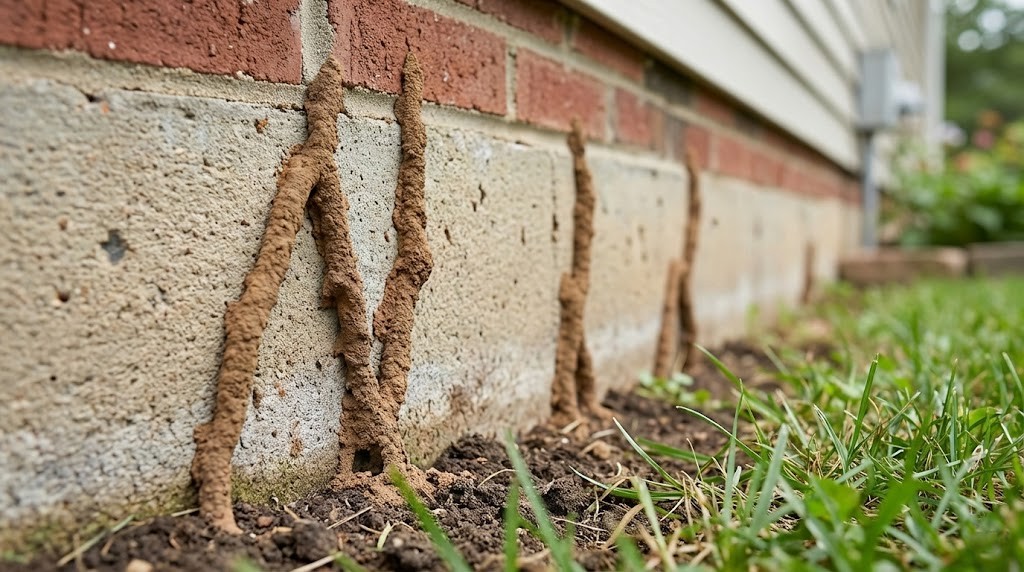
2. Mud Tubes Along the Foundation
What it indicates: Subterranean termites
Risk Level: High
Mud tubes are protective tunnels termites use to travel between soil and wood while maintaining moisture.
What to do:
A professional termite inspection determines activity level and treatment needs.
3. Fire Ant Mounds Appearing in the Yard
What it indicates: Fire ant colony expansion
Risk Level: Moderate to High
Fire ant mounds can appear quickly after soil warms and rainfall increases.
What to do:
Early colony treatment is more effective than reactive control.
4. Ant Scouts in Kitchens or Bathrooms
What it indicates: Nearby colony
Risk Level: Moderate
Small numbers of ants indoors usually indicate a nearby colony.
What to do:
Identify the source and eliminate the colony rather than only treating visible ants.
5. Wasps Inspecting Eaves and Rooflines
What it indicates: Early nest-building
Risk Level: Moderate
Wasps scout protected areas before building nests.
What to do:
Address activity early before nests develop.
6. Increased Spider Webbing in Garages
What it indicates: Increased insect activity
Risk Level: Low to Moderate
Spiders follow food sources, not random appearance.
What to do:
Address underlying insect activity.
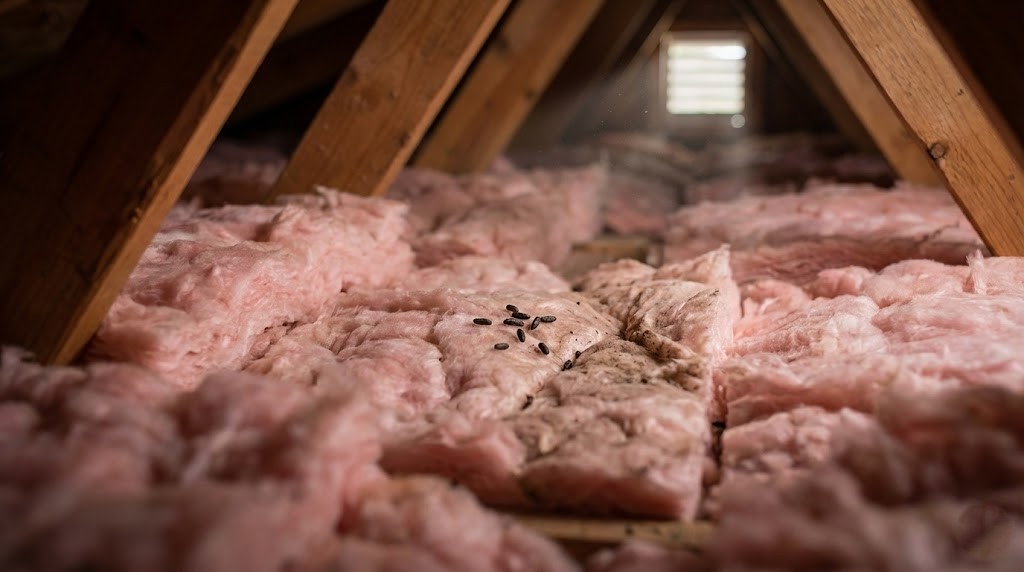
7. Rodent Droppings in Garage or Attic
What it indicates: Active rodent presence
Risk Level: High
Droppings indicate ongoing activity and contamination risk.
What to do:
Avoid handling and schedule inspection.
Common Misidentifications Homeowners Make
-
Mistaking flying ants for termites
-
Assuming small ant activity is isolated
-
Ignoring attic noises
-
Treating symptoms instead of source
What Not To Do
-
Do not rely on DIY sprays alone
-
Do not remove termite tubes without inspection
-
Do not ignore early warning signs
-
Do not seal entry points without identifying all access areas
What Actually Works
Inspection: A professional inspection identifies pest type, entry points, and activity levels.
Treatment: Targeted treatments address the specific pest and conditions.
Prevention: Sealing entry points and managing moisture reduces risk.
Monitoring: Ongoing service helps prevent recurrence.
Learn more about pest protection
Learn more about termite inspection
Learn more about rodent control
Learn more about mosquito control
When to Monitor vs When to Act
Monitor: Occasional activity
Evaluate: Repeated signs
Act: Multiple warning signs or structural indicators
What Happens If Early Signs Are Ignored
Early warning signs often develop into larger infestations, increased damage, and higher treatment costs.
WING 8 Field Notes from North Texas
-
Attic rodent activity is one of the most common early signs
-
Fire ant activity increases rapidly after warming soil
-
Termite activity often begins along slab edges
-
Early inspections reduce long-term issues
Frequently Asked Questions
When Do Pests Start In North Texas?
Pest activity often begins in late winter once soil temperatures rise above 55°F.
Why Do Ants Appear Suddenly In Spring?
Ant colonies become active and send scouts to locate food and water sources. Early indoor activity often means a colony is already nearby.
Are Termite Swarmers Normal?
Yes, termite swarmers are part of the reproductive cycle. However, seeing them near or inside the home may indicate nearby or active termite pressure.
Should I Treat Before Seeing Pests?
Preventive treatment is generally more effective than waiting for visible infestations. Early intervention is often simpler and more targeted.
Do Spiders Indicate A Pest Problem?
They often indicate increased insect activity. Spiders usually follow available food sources rather than appearing without reason.
How Often Should Homes Be Inspected?
At least once per year, with added attention during seasonal transitions. Homes with previous activity or conducive conditions may benefit from more frequent evaluations.
Content Freshness
This guide reflects current pest activity patterns in North Texas as of 2026.
Sources & Further Reading
Texas A&M AgriLife Extension
https://agrilifeextension.tamu.edu/library/pests/subterranean-termites/
https://agrilifeextension.tamu.edu/library/pests/fire-ants/
CDC Rodent
https://www.cdc.gov/healthy-pets/rodent-control/seal-up.html
Schedule an Inspection
If you’re noticing any of these warning signs, a professional inspection can help confirm activity and prevent escalation.
Schedule a professional inspection with WING 8 Pest Services.
Schedule Your Pest Inspection Today
If you’re noticing any of these early warning signs, it’s worth taking action before the problem grows.
Schedule a professional inspection with WING 8 Pest Services and protect your home before infestations begin.